U.S. Compliance Services
Practical Support when Operating in U.S. Waters.
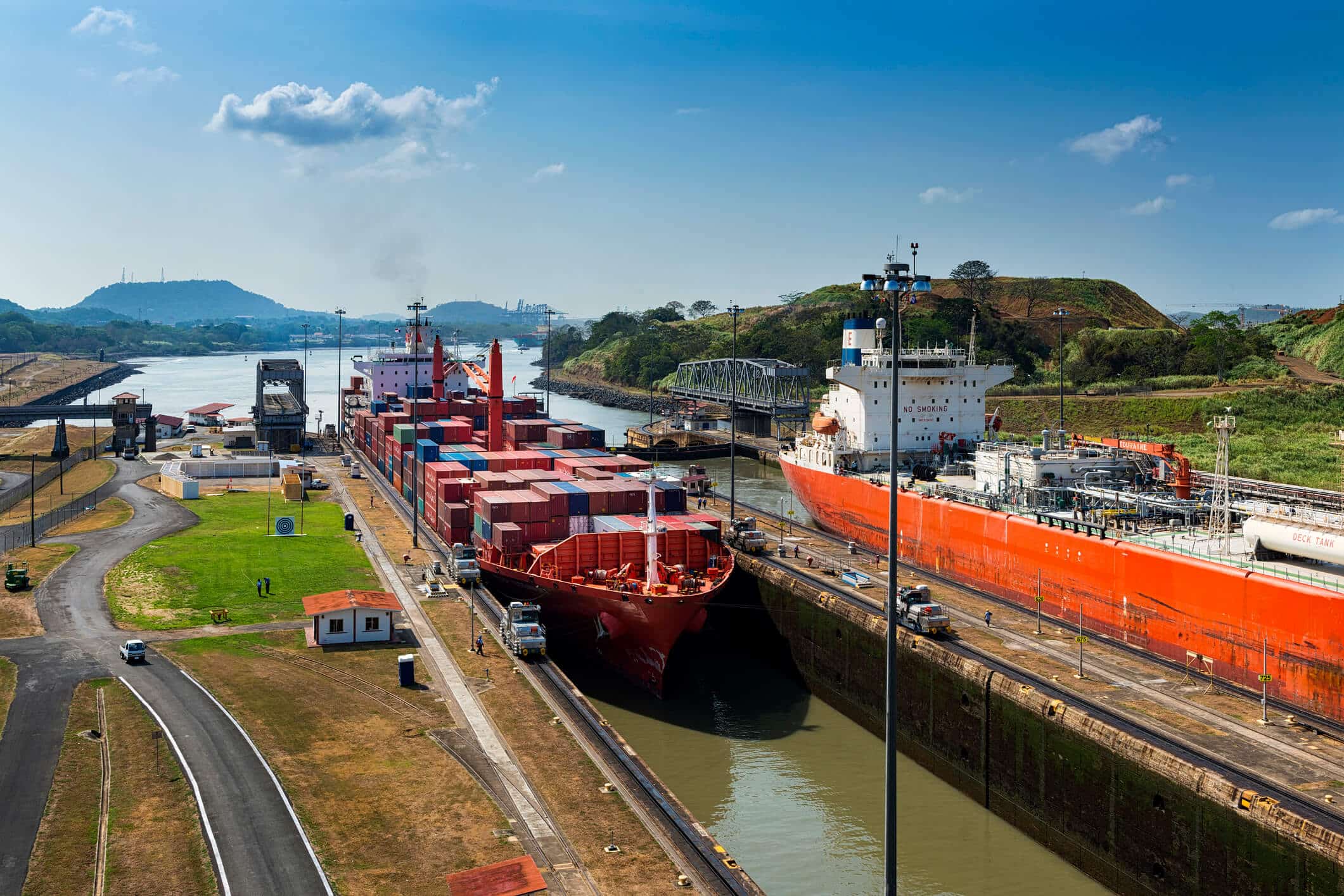
Operating vessels in U.S. waters brings heightened environmental oversight at both federal and state level. Compliance obligations are detailed, evolving, and closely enforced, often placing operational teams under pressure to manage documentation, reporting, and inspections alongside commercial priorities.
ShorelineHudson provides structured U.S. compliance services that reduce the burden on vessel owners and operators, allowing them to remain focused on safe, efficient operations while meeting regulatory expectations with confidence.
Vessel General Permit (VGP) Services
Managing Federal Discharge Obligations
The Vessel General Permit (VGP), issued under the U.S. Clean Water Act, regulates routine vessel discharges such as ballast water, bilge water, and deck runoff within U.S. waters. Compliance requires adherence to prescribed best management practices, recordkeeping, and reporting obligations.
Vessels trading to the United States must submit a Notice of Intent (NOI) to the U.S. Environmental Protection Agency (EPA) prior to operating in waters subject to the VGP, extending up to three nautical miles from the U.S. baseline.
ShorelineHudson supports clients by managing VGP compliance end-to-end, including:
- Preparation and submission of NOI filings, terminations, and annual reports
- Vessel-specific VGP manuals and compliance documentation
- User-driven training modules and document libraries
- Ongoing advisory support to address operational or regulatory questions
Our approach ensures compliance is maintained consistently and defensibly, reducing the risk of inspection findings or administrative penalties.
Ballast Water Management (BWM)
Navigating Federal and State Requirements
Ballast water management in the United States is regulated jointly by the U.S. Coast Guard (USCG) and the Environmental Protection Agency (EPA), with additional requirements imposed by individual states.
Vessels must comply with U.S. ballast water discharge standards, which may involve the installation and operation of an approved Ballast Water Treatment System, adherence to reporting requirements, and readiness for inspection. U.S. regulations also address related areas such as biofouling management and invasive species prevention.
ShorelineHudson works with clients to:
- Develop and maintain compliant Ballast Water Management Plans
- Interpret and apply federal and state-specific requirements
- Provide advisory support ahead of inspections and port calls
Our focus is on helping operators understand what applies to their vessels, where, and why and ensuring compliance is practical and achievable.
State Environmental Compliance
Addressing Local Expectations with Confidence
In addition to federal regulation, many U.S. states impose their own environmental compliance requirements, often exceeding federal standards. These may cover ballast water, biofouling, emissions, spill preparedness, and reporting obligations.
Navigating this patchwork of state-level regulation requires detailed local knowledge and continual monitoring of regulatory change.
ShorelineHudson provides advisory and compliance support across key U.S. jurisdictions, including:
Alaska
- Alaska Contingency Plans
- Alaska Certificate of Financial Responsibility (COFR)
- Incident Management Team coordination
- OSRO coverage facilitation
- Ballast Water Management advisory
California
- California Contingency Plans
- California COFR
- Air emissions and CARB 2020 compliance
- Ballast Water Management and reporting
- Biofouling Management Plans (BFMP)
- VGP and NOI copy submissions
- Annual and regulatory reporting
Our role is to help clients meet state requirements efficiently, avoiding delays, deficiencies, or enforcement action.
Environmental Compliance Programs (ECP)
Building Defensible Compliance Frameworks
As U.S. environmental enforcement has evolved, Environmental Compliance Programs (ECPs) have become an increasingly important component of regulatory oversight whether implemented voluntarily or imposed through enforcement actions.
ShorelineHudson supports the design, implementation, and maintenance of ECPs through a multidisciplinary team of maritime professionals, environmental engineers, and regulatory advisors.
Our services include:
- Development of Environmental Compliance Programs
- Environmental audits and gap assessments
- ECP training for onboard and shoreside personnel
We have also served within formal ECP frameworks as:
- Independent Consultant / Third-Party Advisor
- Third-Party Auditor
- Court-Appointed Monitor
This experience gives us a practical understanding of regulatory expectations and how compliance programs are assessed in real-world conditions.
The Role We Play
Compliance Made Manageable
ShorelineHudson works alongside vessel owners and operators to translate U.S. environmental regulations into clear, workable compliance solutions. Through structured support, regulatory insight, and hands-on experience, we help clients meet their obligations confidently without unnecessary complexity, disruption, or uncertainty.
You might also be interested in
QI / Spill Response
Guiding You Through the U.S. OPA90 Regulatory Environment.
Plan Development & Implementation
ShorelineHudson works with clients to draft plans that optimize safety, security, regulatory compliance, and business operations.

International Compliance Services
Practical support for global environmental compliance.