OPA90 / Compliance
ShorelineHudson assists the international maritime industry in navigating the complex domestic and international regulations their operations are challenged with in order to allow them to operate in a highly competitive industry. ShorelineHudson specializes in OPA 90 compliance, ISPS, and International Shipping regulations.
What OPA 90 requires
The Oil Pollution Act of 1990 (OPA 90) was passed after the Exxon Valdez spill and sets the financial and operational rules for vessels trading in U.S. waters. Owners and operators must show they can meet the cost of an oil spill and be ready to respond to one.
For most vessels calling at U.S. ports, that involves:
- A valid Certificate of Financial Responsibility (COFR), the guarantee that an operator can meet cleanup and liability costs.
- A designated Qualified Individual (QI) and an approved vessel response plan, so a spill can be managed without delay.
- Compliance with state requirements where they apply, including separate rules in California, Alaska and Washington.
ShorelineHudson supports owners and operators across these obligations as guarantor and adviser, and covers the related risk of MARPOL detention through MDCI.
Regulatory Compliance Services
QI / Spill Response
Guiding You Through the U.S. OPA90 Regulatory Environment.
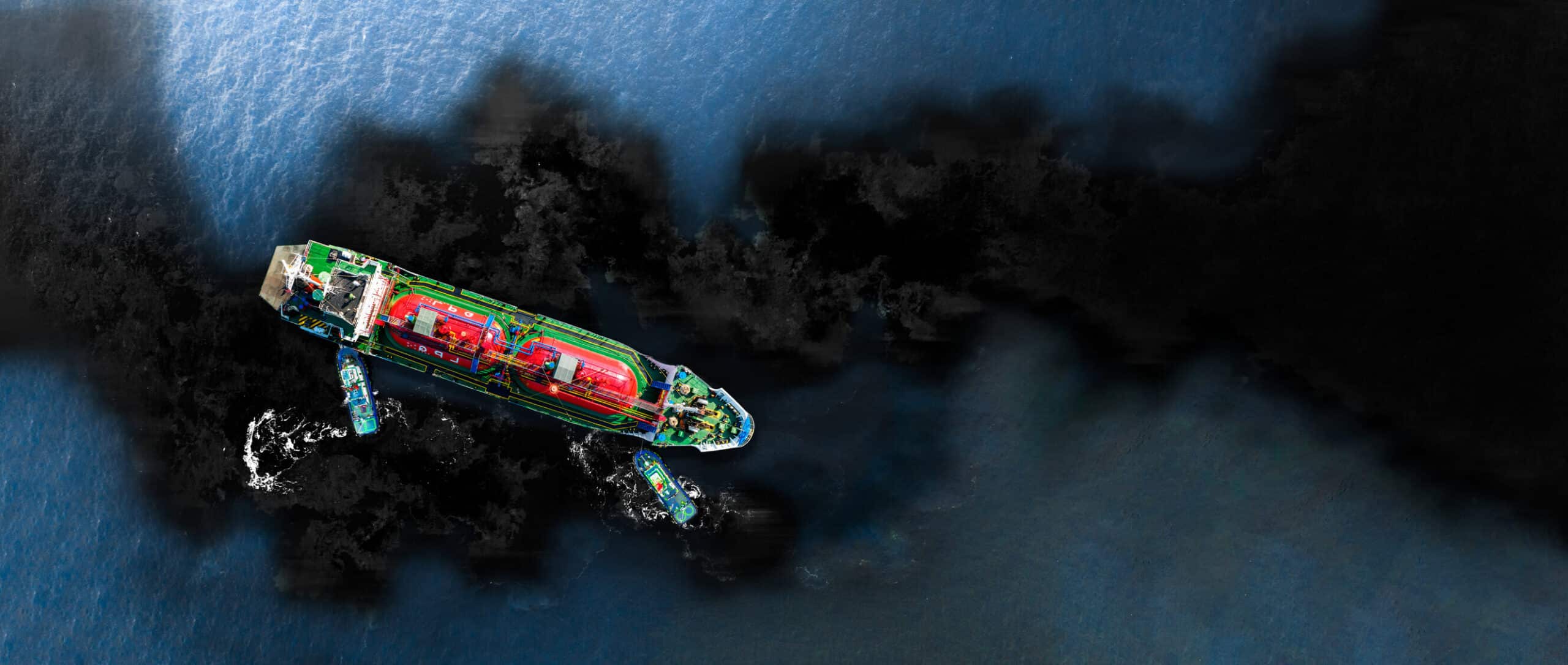
Plan Development & Implementation
ShorelineHudson works with clients to draft plans that optimize safety, security, regulatory compliance, and business operations.

U.S. Compliance Services
Practical Support when Operating in U.S. Waters.
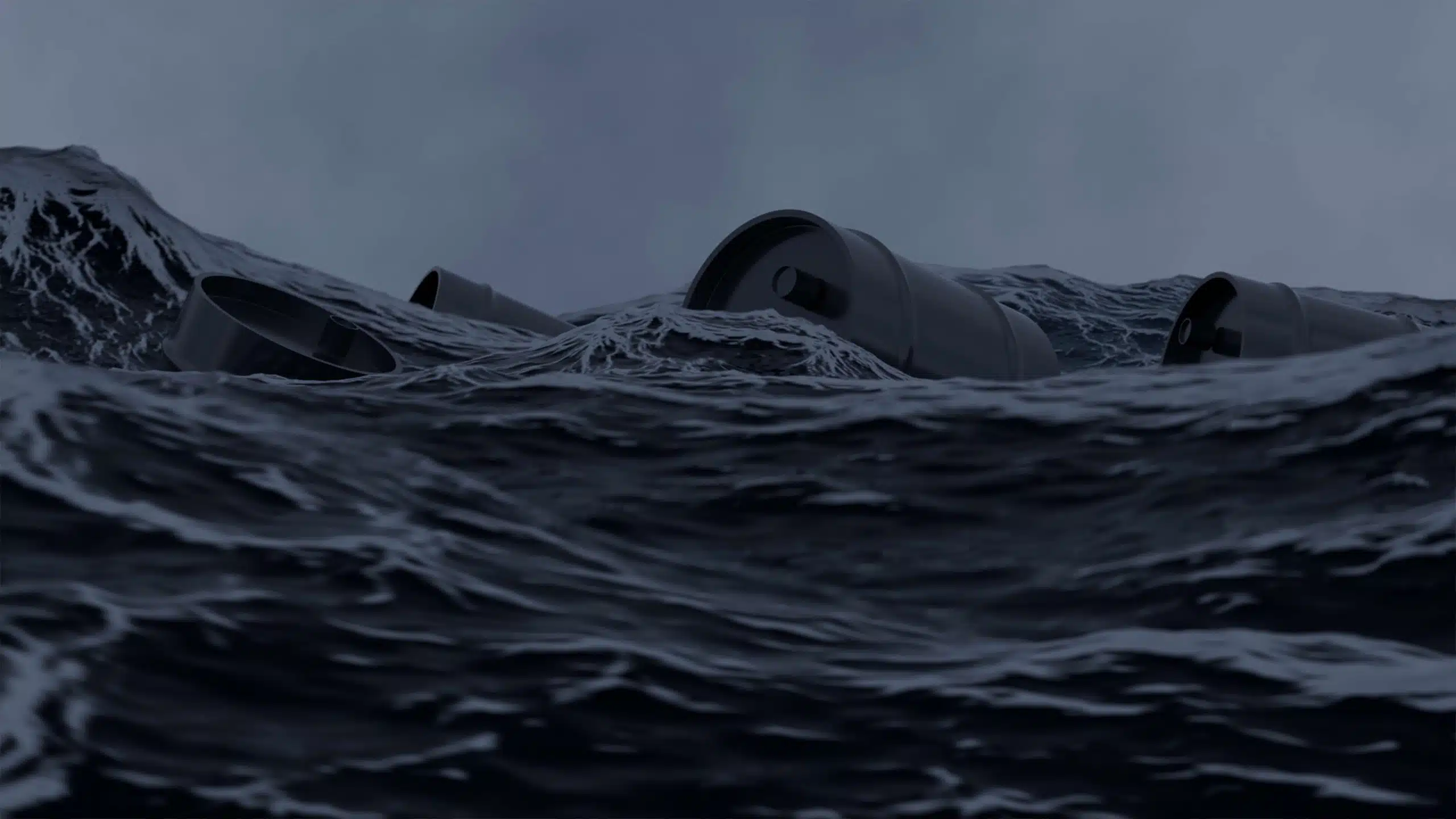
International Compliance Services
Practical support for global environmental compliance.
Find Your Solution
Need to appoint a U.S. Qualified Individual (QI)?
Understand what’s required under OPA 90, how the QI role works in practice, and how ShorelineHudson supports vessels before, during, and after an incident.
Need help arranging or managing your Vessel General Permit (VGP)?
From EPA Notice of Intent filings to annual reporting and onboard documentation, see how we support compliant operations in U.S. waters.
Trading to Alaska or California?
Learn what state-specific environmental and contingency requirements apply and how we help operators meet them without delay or disruption.
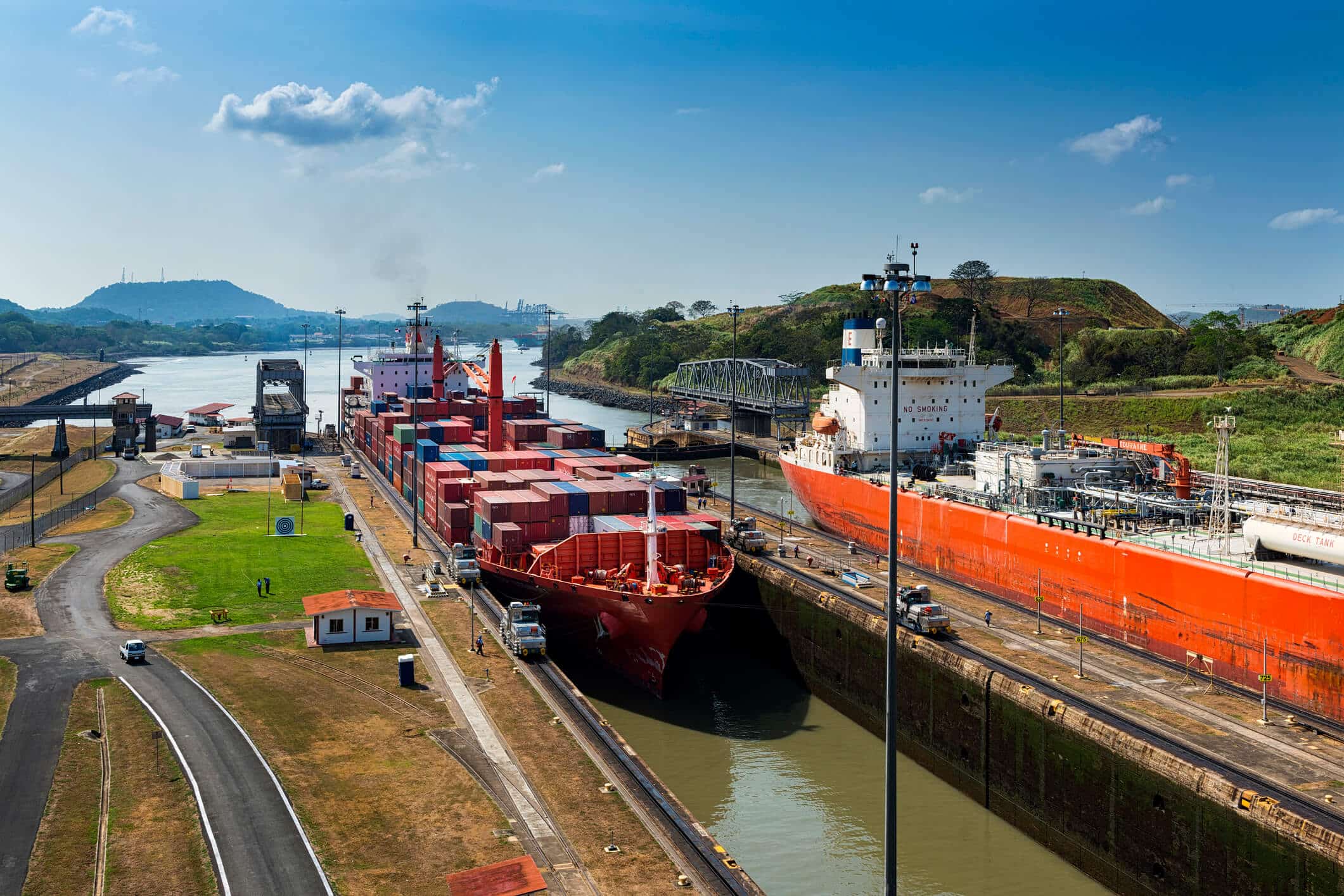
Trading internationally or calling Canada or Panama?
Understand the additional compliance roles, plans, and response arrangements required outside the U.S. — and how we support them.