
Chinese-Built Ships and U.S. Port Fees: Reversal, Risk or Rebalancing?
As U.S. policymakers reconsider controversial port fees targeting Chinese-built ships, uncertainty still looms for shipowners, charterers, and global supply chains. In this episode, Captain Thomas Brown speaks with Washington-based policy advisor Andrew Baskin to unpack the latest developments, explore the commercial risks for Far East owners, and explain how time-chartered vessels could be affected.
Essential listening for anyone trading to U.S. ports with Chinese-built tonnage.
About the contributors
Andrew Baskin
Andrew Baskin

Vice President, Global Policy and Trade – ShorelineHudson
Vice President, Global Policy and Trade – ShorelineHudson
Andrew Baskin serves as Vice President, Global Policy and Trade at ShorelineHudson, where he leads the firm’s Port and Trade Modernization and Digitalization Practice and oversees regional engagement across the Americas. He advises clients on maritime and port policy, directing initiatives focused on digitalization, legislative and regulatory reform, operational resilience, environmental governance, and supply chain security.
Mr. Baskin has served as lead advisor or expert team lead on strategic trade and transportation projects in the United States, Barbados, Belize, the Dominican Republic, Honduras, Jamaica, and Saint Vincent and the Grenadines. Prior to joining ShorelineHudson, he held senior roles at the U.S. Maritime Administration (MARAD), where he led the agency’s international engagement across the Western Hemisphere and Europe. He also represented the U.S. government at the Inter-American Committee on Ports (CIP) of the Organization of American States, where he chaired the Technical Advisory Committee on Port Security and served on the Executive Committee.
Earlier in his career, Mr. Baskin was a Senior Trade Specialist at an international trade consulting firm, conducting feasibility studies for logistics and trade facilitation initiatives in Panama, Colombia, and El Salvador.
He holds a Juris Doctor from George Mason University School of Law, a Master’s in International Commerce and Policy from George Mason’s School of Public Policy, and a Bachelor’s degree in Government and Spanish from the College of William & Mary.
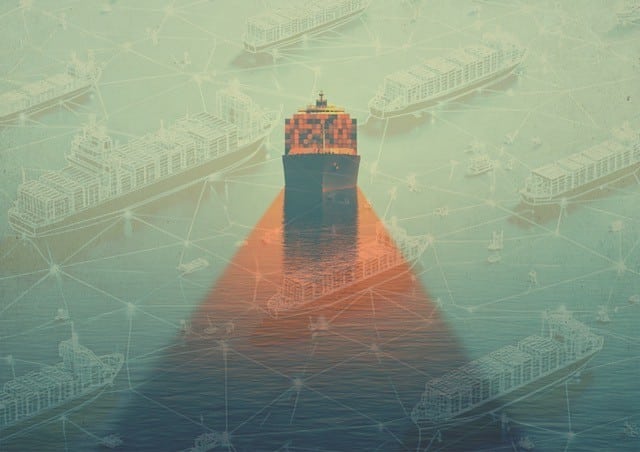
How U.S. Enforcement, Shadow Fleets, and Maritime Interdictions Are Redefining Risk at Sea
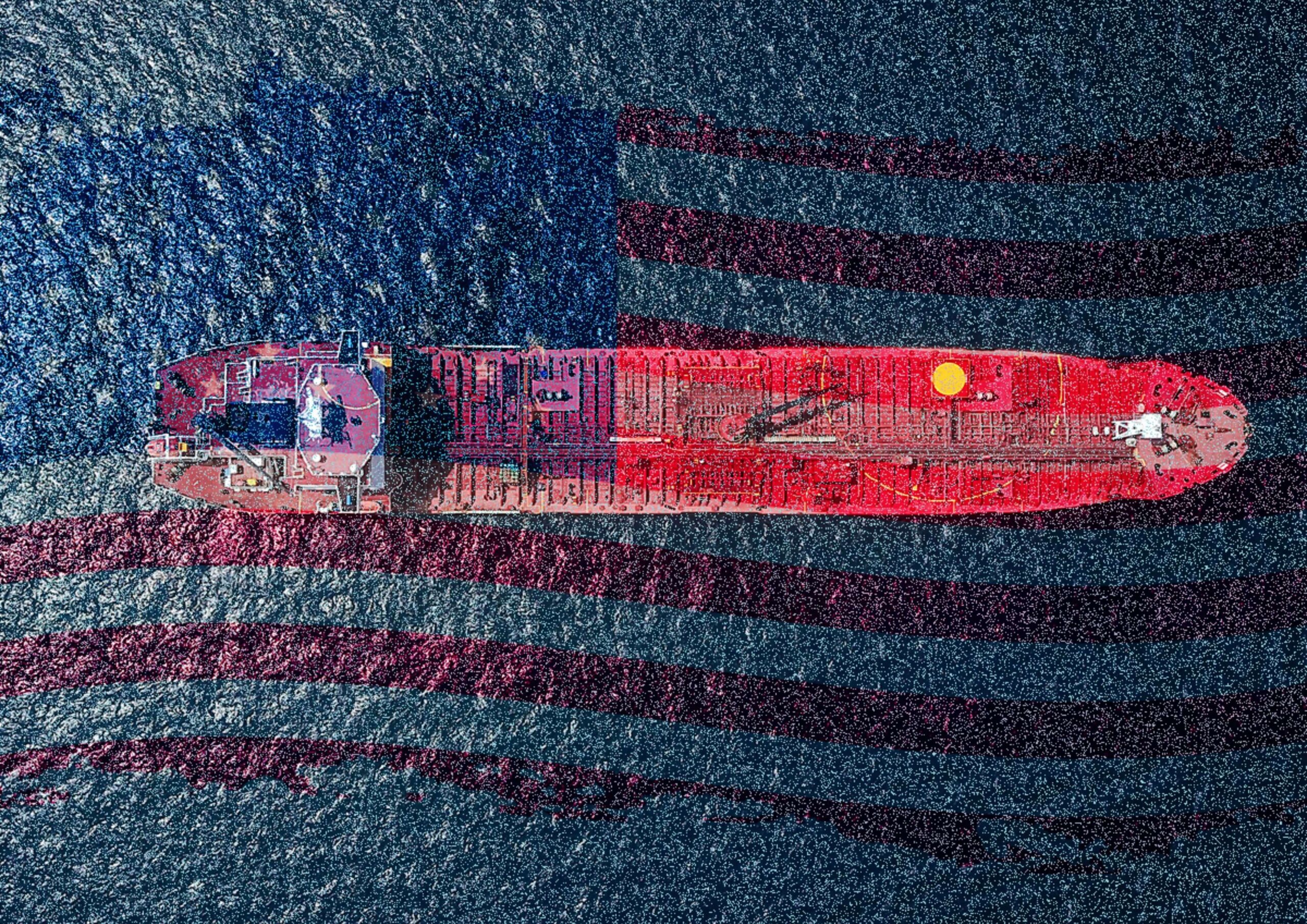
COFR Plus: Managing Detention, Delay, and Enforcement Risk in U.S. Waters
