Resource Hub
Industry News
View all newsRising Tensions in the Middle East: A Critical Moment for Shipping and Insurance
The escalating conflict between the U.S. and Iran is having a profound impact on the shipping and maritime insurance industries, particularly in the Strait of Hormuz—a key global transit point for oil shipments. With attacks on vessels becoming more frequent and insurers reevaluating war risk coverage, the situation in the region remains fluid and unpredictable.
As premiums rise and operational disruptions continue, shipowners and operators must closely monitor developments to understand how these changes might affect their operations and the safety of their crews. At ShorelineHudson, we’ve analyzed the latest industry updates and compiled a comprehensive opinion piece on the implications of the ongoing conflict for shipping and insurance.
Webinar Recap: Navigating U.S. Section 301 “China-Linked” Port Fees
ShorelineHudson’s live broadcast on October 31st — “Navigating U.S. Section 301 ‘China-Linked’ Port Fees” — took place when media reports surfaced suggesting a potential one-year suspension of the newly introduced U.S. port-fee regime.During the session, Captain Thomas Brown and Andrew Baskin, ShorelineHudson’s Global Policy Advisor, explored the origins, scope, and operational implications of the Section 301 fees while emphasizing that, despite press speculation, no formal U.S. Government notice confirming a suspension has yet been issued.
Webinar | Navigating U.S. Section 301 “China-Linked” Port Fees — Friday 31st October 2025
A practical one-hour briefing to help shipowners, managers, and brokers understand the new fee regime and prepare for U.S. port calls. Please register by following this link to the news article. Registration is required.

New Five Part Series | Episode 3: AI at Sea: When Confident Machines Quietly Increase Risk
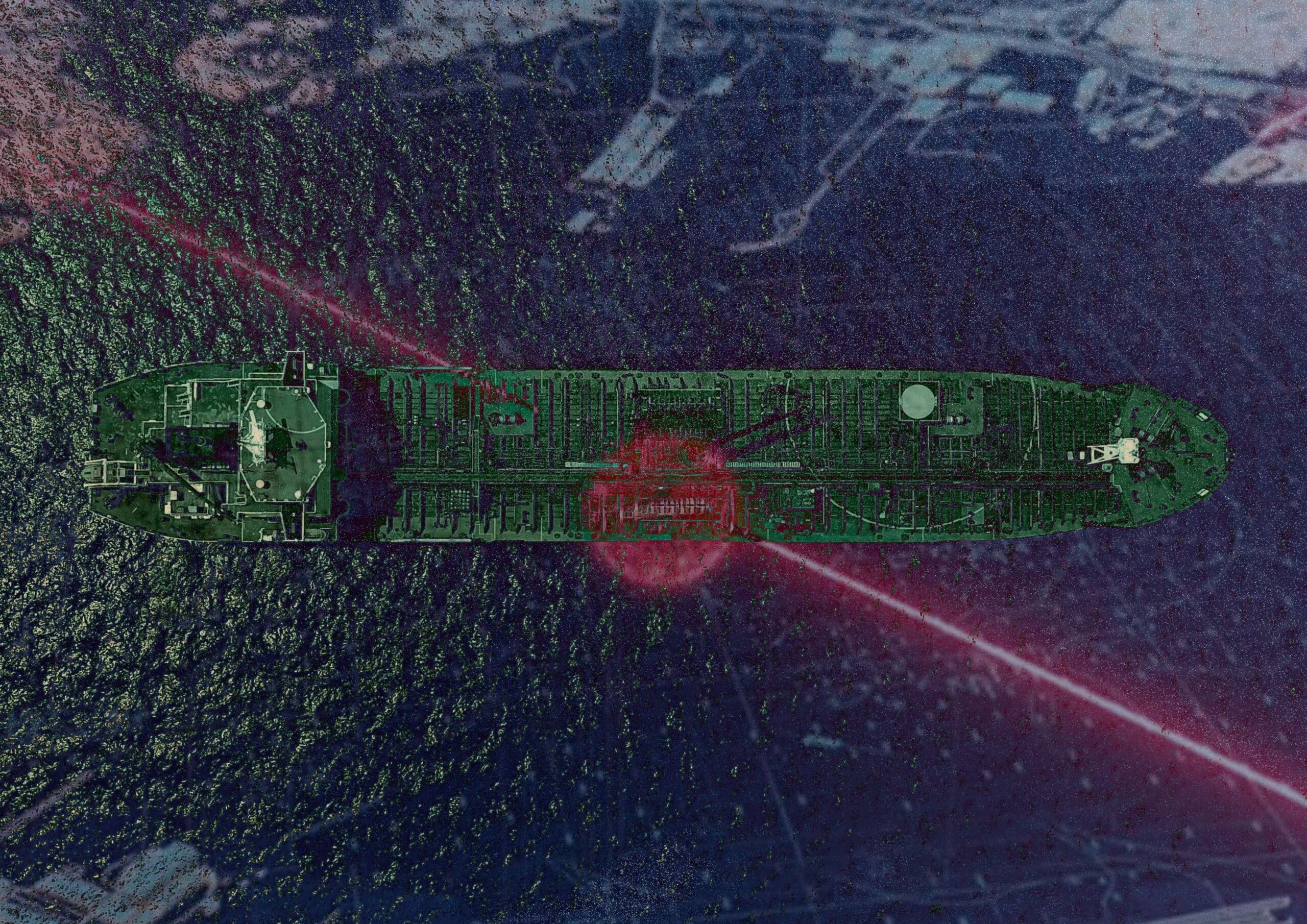
New Five Part Series | Episode 2: GNSS Degradation Emerges as Critical Threat to Modern Navigation – The Invisible Cyber Risk at Sea
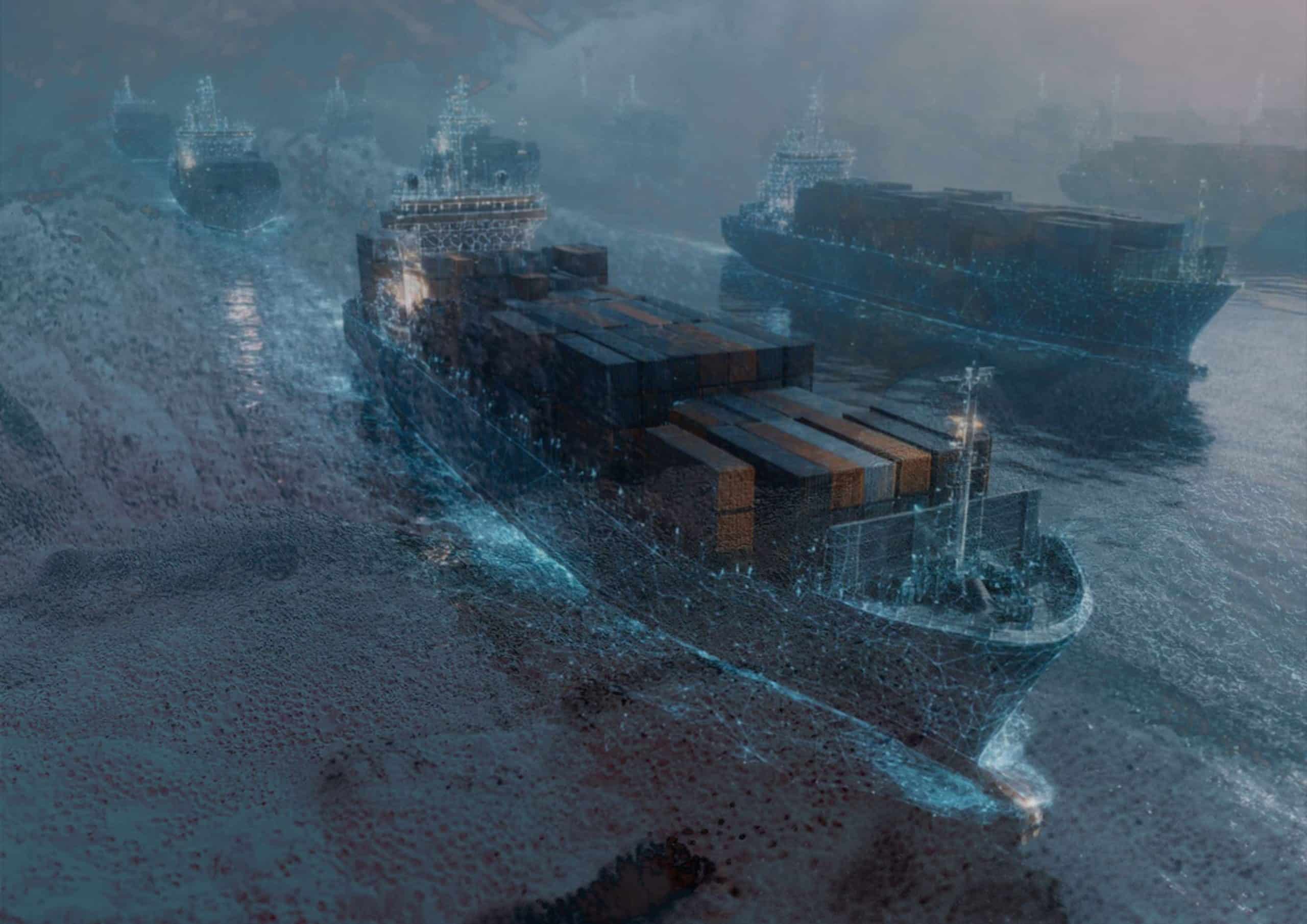
New Five Part Series | Episode 1: Quiet Drift – The Invisible Cyber Risk at Sea

Insights & Circulars
Client Circular: Trading to Guyana – Material Changes to Oil Spill Liability and Financial Assurance
Guyana has enacted a fundamentally new oil pollution liability regime that significantly alters the risk, compliance, and financial assurance landscape for vessels trading to or operating within its waters. The Oil Pollution Prevention, Preparedness, Response and Responsibility Act 2025 introduces strict, uncapped liability for oil pollution damage and empowers regulators to deny port entry, detain vessels, or impose substantial fines for non compliance. This Circular outlines the key regulatory changes, clarifies common misconceptions around financial assurance thresholds, and sets out immediate action points for shipowners, operators, and charterers to maintain uninterrupted access to Guyanese ports.
CIRCULAR – Washington State COFR Requirements: Updated April 15, 2026
Washington State has updated its Certificate of Financial Responsibility (COFR) requirements for foreign-flagged vessels entering Washington State waters. These changes are part of the newly adopted Chapter 173-187 WAC – Financial Responsibility, effective July 15, 2024, and vessels must comply by April 15, 2026. (Washington State Department of Ecology). Read more about the changes below.
Client Advisory: Impact of U.S. Maritime Action Plan (MAP), SHIPS Act, and USTR Fees on Global Shipping
We are pleased to share our latest Client Advisory (2/26), authored by Andrew Baskin, ShorelineHudson’s Global Policy Advisor in Washington, D.C. This bulletin provides a clear and structured analysis of three major U.S. policy developments that could reshape the global maritime landscape:
• The U.S. Maritime Action Plan (MAP)
• The SHIPS for America Act
• The USTR Section 301 Chinese-linked vessel port fees
Client Circular: Trading to Guyana – Material Changes to Oil Spill Liability and Financial Assurance
Guyana has enacted a fundamentally new oil pollution liability regime that significantly alters the risk, compliance, and financial assurance landscape for vessels trading to or operating within its waters. The Oil Pollution Prevention, Preparedness, Response and Responsibility Act 2025 introduces strict, uncapped liability for oil pollution damage and empowers regulators to deny port entry, detain vessels, or impose substantial fines for non compliance. This Circular outlines the key regulatory changes, clarifies common misconceptions around financial assurance thresholds, and sets out immediate action points for shipowners, operators, and charterers to maintain uninterrupted access to Guyanese ports.
CIRCULAR – Washington State COFR Requirements: Updated April 15, 2026
Washington State has updated its Certificate of Financial Responsibility (COFR) requirements for foreign-flagged vessels entering Washington State waters. These changes are part of the newly adopted Chapter 173-187 WAC – Financial Responsibility, effective July 15, 2024, and vessels must comply by April 15, 2026. (Washington State Department of Ecology). Read more about the changes below.
Client Advisory: Impact of U.S. Maritime Action Plan (MAP), SHIPS Act, and USTR Fees on Global Shipping
We are pleased to share our latest Client Advisory (2/26), authored by Andrew Baskin, ShorelineHudson’s Global Policy Advisor in Washington, D.C. This bulletin provides a clear and structured analysis of three major U.S. policy developments that could reshape the global maritime landscape:
• The U.S. Maritime Action Plan (MAP)
• The SHIPS for America Act
• The USTR Section 301 Chinese-linked vessel port fees